













Awaken 2026
Young Living is launching an all-new lineup of products just ahead of the Awaken Tour, from a daily cellular nutrition system to summer scents and a new sparkling drink.
Check out the new arrivals to help you awaken to the 'you' you're becoming!
New Products
Master Cellular Nutrition™ System


Permanent Product
Item No.: 52247 | Wholesale $119.50 | 100 PV | Retail $157.24
Your simple, daily vitality and nutrition system designed to support healthy aging, all in one packet, every day. It supports healthy cellular function, a normal inflammatory response, and nutrient sufficiency at the cellular level.*
FEATURES & BENEFITS
- Supports healthy cellular division and helps protect cells from oxidative stress*
- Targets pathways associated with cellular senescence ("zombie" cells) to support healthy aging*
- Provides 100% or more of the daily value of key vitamins and minerals*
- Supports healthy bones with an optimal balance of calcium, magnesium, vitamin D3, and vitamin K2*
*These statements have not been evaluated by the FDA. This product is not intended to diagnose, treat, cure, or prevent any disease.
Available for NFR purchase in Canada on June 1.
Okinawa Shell Ginger™ Essential Oil


Permanent Product
Item No.: 51300 | Wholesale $60.00 | 57 PV | Retail $78.95
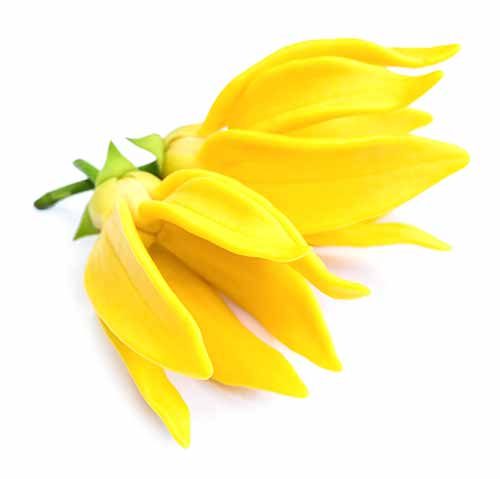
Sourced from Young Living's own farm on the island of Okinawa, Japan, this rare oil captures the spirit of one of the world's longest-enduring cultures. Its aroma unfolds in soft layers of woodsy, sweet, and refreshing with spicy eucalyptol top notes.
SUGGESTED USES
- Diffuse to invite the energy and mindfulness of Okinawa's blue zone into your home
- Add to your favorite Young Living skin care or body care products
- Add a drop to your morning routine as a daily ritual of renewal
- Blends beautifully with Rosemary, Lavender, Tea Tree, and Longevity™ blend
Seasonal Product
NingXia Zyng® Sparkling Yuzu Lemonade with Lavender


New Seasonal Flavor
Item No.: 51520 | Wholesale $41.25 | 30 PV | Retail $54.28 (12-pack)
Bright yuzu meets crisp lemonade with a hint of lavender. This lightly carbonated new flavor is made for real energy without the crash, powered by naturally occurring caffeine from green and white tea extracts, real fruit juices, and no artificial sweeteners.*
FEATURES & BENEFITS
- 35 mg of naturally occurring caffeine from green and white tea — no synthetic stimulants*
- Features Lemon, Yuzu, Lavender, and Black Pepper essential oils
- Vitamins A, B3, B5, B6, and E in every can
- Free of artificial flavors, colors, sweeteners, and preservatives
*These statements have not been evaluated by the FDA. This product is not intended to diagnose, treat, cure, or prevent any disease.
Limited-Time Products
Awaken™ Essential Oil Blend


Limited-Edition Awaken Tour Label (While Supplies Last)
Item No.: 51652 | Wholesale $25.00 | 23.75 PV | Retail $32.89
A warm, earthy, and slightly sweet blend of Joy™, Forgiveness™, Present Time™, Dream Catcher™, and Harmony™ oils, designed to use as you break free from old patterns and step into something new.
SUGGESTED USES
- Diffuse during journaling, meditation, or intention-setting
- Dilute and apply to pulse points for a grounding, inspiring personal scent
- Use topically or aromatically whenever you need a reminder to stay present
Simplified by Jacob + Kait™ 2026 Summer Collection


Limited Time (While Supplies Last)
Item No.: 51161 | Wholesale $100.00 | 100 PV | Retail $131.58
Three mocktail-inspired essential oil blends that bring the easy, breezy energy of summer wherever you are. Each blend lasts up to three times longer than an 8-ounce candle — with zero synthetic fragrance or open flames.
THE THREE BLENDS
- Amber Limeade™: bright, sparkling citrus with warm amber and vanilla notes
- Cherry Float™: sweet, creamy, and tart with a playful almond finish
- Tropical Punch™: bright, juicy, and tropical with a hint of island woods
SUGGESTED USES
- Diffuse as a candle swap for a long-lasting, clean summer scent
- Make a room spray with 30 drops + distilled water + 2 tbsp witch hazel in a glass bottle
- Dilute in a roller bottle and apply to pulse points as a natural perfume or cologne
Wanderful Edge™ Atomizing Diffuser - Tropical Green


Limited Time — While Supplies Last
Item No.: 50042 | Wholesale $55.00 | 16 PV | Retail $72.37
The same waterless, cordless, spill-free atomizing diffuser you love — now in a tropical green print that's made for summer. Compact enough for a cupholder or carry-on, powerful enough for up to 18 hours of diffusion on a single charge.
FEATURES & BENEFITS
- Waterless and heatless: preserves the full, undiluted benefits of every drop
- Anti-leak 360-degree technology: no cords, no spills, no stress
- Adjustable settings: 1 hr (low) | 2 hrs (medium) | 5 hrs (high)
- Covers up to 250–300 square feet: perfect for home, car, or travel
Master Cellular Nutrition™ Bundles
Each bundle pairs Master Cellular Nutrition™ with a complementary product at a built-in savings. Available on loyalty and one-time orders while supplies last.
Master Your Nutrition Bundle™

Master Cellular Nutrition™ System + NingXia Red® Singles, 30 ct.
Item No.: 52557 | Wholesale $199.25 | 178.25 PV | Retail $262.17
Save 20% on NingXia Red® Singles when you bundle.
WHY THIS BUNDLE WORKS
- NingXia Red® is clinically shown to increase physical energy levels, improve sleep, and reduce daily stress, all without caffeine*
- Wolfberry puree, antioxidant-rich superfruit juices, and a blend of Orange, Yuzu, Lemon, and Tangerine essential oils in every 2 oz. sip
- Convenient individual sachets make it easy to take daily wellness support anywhere
*These statements have not been evaluated by the FDA. This product is not intended to diagnose, treat, cure, or prevent any disease.
Master Your Metabolic Bundle™

Master Cellular Nutrition™ System + Balance & Burn™ System
Item No.: 52558 | Wholesale $241.00 | 197.25 PV | Retail $317.11
Save 10% on Balance & Burn™ when you bundle.
WHY THIS BUNDLE WORKS
- Balance & Burn™ supports GLP-1 production, healthy blood sugar metabolism, and your body's ability to use fat efficiently for energy*
- Three synergistic formulas, Balance & Care, Burn, and Control, target three key metabolic pathways in one daily system*
- Clinically studied botanicals, pre- and postbiotics, and essential oils work together without the side effects of harsh alternatives*
- *These statements have not been evaluated by the FDA. This product is not intended to diagnose, treat, cure, or prevent any disease.
Master Your Wellness Bundle™

Master Cellular Nutrition™ System + Balance & Burn™ System + NingXia Red® Singles, 30 ct.
Item No.: 52561 | Wholesale $320.75 | 275.50 PV | Retail $422.04
Save 20% on NingXia Red® Singles and 10% on Balance & Burn™ when you bundle.
WHY THIS BUNDLE WORKS
- The most comprehensive option: cellular nutrition, metabolic support, and antioxidant-rich superfruit wellness in one daily routine
- Balance & Burn™ helps support healthy weight management and GLP-1 production, while NingXia Red® supports energy, sleep, and stress reduction*
- Best value of all five bundles for customers who want full-system support*
*These statements have not been evaluated by the FDA. This product is not intended to diagnose, treat, cure, or prevent any disease.
Master Her Vitality Bundle™

Master Cellular Nutrition™ System + Daily Hormone Essentials™ supplement
Item No.: 52559 | Wholesale $179.50 | 152 PV | Retail $236.18
Save 20% on Daily Hormone Essentials™ when you bundle.
WHY THIS BUNDLE WORKS
- Daily Hormone Essentials™ is a hormone-free, plant-powered gel that supports healthy mood, energy, restful sleep, and cortisol balance through PMS, perimenopause, and menopause*
- Clinically backed herbal complex shown to deliver a 62% improvement in menopausal comfort scores compared to placebo, with none of the side effects of typical hormone therapy*
- Travel-friendly sachets with ashwagandha, maca root, chaste tree berry, and Deep Spectra® Frankincense2™, no pills, no added hormones
*These statements have not been evaluated by the FDA. This product is not intended to diagnose, treat, cure, or prevent any disease.
Master His Vitality Bundle™

Master Cellular Nutrition™ System + PowerGize® supplement
Item No.: 52560 | Wholesale $147.50 | 127.25 PV | Retail $194.08
Save 20% on PowerGize® when you bundle.
WHY THIS BUNDLE WORKS
- PowerGize® is formulated with ashwagandha, Eurycoma longifolia, and Tribulus terrestris, plus Idaho Blue Spruce, Goldenrod, and Cassia essential oils, to support stamina, strength, and physical performance*
- Helps sustain energy levels, support healthy muscles, enhance muscle tone, and support the male reproductive system*
- Also benefits women, supports mental clarity, balanced energy, and a healthy response to everyday stress*
*These statements have not been evaluated by the FDA. This product is not intended to diagnose, treat, cure, or prevent any disease.
Free Bonus Gift - Wander Well Promotion
New customers placing their first-ever order of 150+ PV between June 1–30 receive a FREE Jade Lemon essential oil (5 ml) + a Young Living-branded backpack with notebook, pen, and fanny pack. Added automatically to qualifying orders while supplies last. U.S. market only.

Launch Ordering Details
AVAILABILITY
- Monday, June 1 at 11 a.m. MT - one-time and loyalty orders
- Loyalty points cannot be used to purchase Awaken launch products
- U.S. and Canada markets - no ordering limitations
PERMANENT PRODUCTS
- Master Cellular Nutrition™ System
- Okinawa Shell Ginger™ essential oil
SEASONAL PRODUCT
- NingXia Zyng® Sparkling Yuzu Lemonade with Lavender
LIMITED TIME (WHILE SUPPLIES LAST)
- Awaken™ essential oil blend (limited-edition Tour label)
- Simplified by Jacob + Kait™ 2026 Summer Collection
- Wanderful Edge™ Diffuser, Tropical Green
AWAKEN TOUR EXCLUSIVE
A special All-In Bundle with all Awaken™ products is available on-site exclusively for Awaken Tour attendees.
NFR CUSTOMERS
Master Cellular Nutrition™ System is available for NFR purchase in Canada on June 1. All other products are not available for NFR purchase at launch.
Questions? Reach out... I'd love to help you find the right products for your wellness journey!

Happy June!
Summer always seems to arrive with a little extra momentum. Schedules fill up, travel picks up, routines shift, and suddenly we’re spending more time out of the house than in it. Whether you’re heading to the gym, packing for a road trip, juggling kids’ activities, or running from one commitment to the next, this is the season where being prepared really matters.
One of the simplest ways to support your wellness through a busy summer is by taking your tools with you. Essential oils and supplements don’t do much good sitting on a shelf at home or in a closet.
They’re meant to be used in real life, on real days, wherever you are. That’s exactly what this month’s featured class is all about.

Our Oils for Every Bag class walks through how to create simple, practical “oily kits” that fit into the bags you already carry: gym bags, backpacks, travel bags, work bags, and yes, even bags for the guys in your life.
Instead of overcomplicating things, this class focuses on intentional preparation: having the right support nearby so you’re not caught off guard when life happens.
Inside the class, you’ll learn:
- Why consistency matters more than having all the products
- How to choose oils and supplements based on real-life needs
- Easy ways to stay supported during workouts, travel, long days, and busy schedules
- How to build simple bag-specific kits without overwhelm
It’s practical, relatable, and perfect for summer when routines are anything but predictable.
👉 You can explore the full class here and see all the details:
Summer Wellness Tip: Be Prepared, Not Perfect
Summer wellness doesn’t require a complete routine overhaul. In fact, this season is about simplifying, not adding more to your plate.
A few helpful reminders as you head into summer:
- Heat, travel, and schedule changes can increase stress on the body
- Digestion, hydration, energy, and muscle recovery often need extra support
- Having tools with you makes it far more likely you’ll actually use them
Think of your oils and supplements as part of your everyday carry just like your phone, wallet, or keys. A few thoughtful choices can go a long way.

The Awaken Tour New Products are Now Available at youngliving.com
Young Living is bringing the best of the convention experience on the road. The Awaken Tour is a series of high-energy regional events designed to inspire connection, education, and momentum.
2026 YL Events
CLICK HERE for the 2026 dates and get these on your calendar! Young Living hosts both virtual and in-person events throughout the year.
Grand Junction Area Essential Oils/Applications Classes
(Guests are welcome. RSVP’s required by 10 am the day of class in case of rescheduling, location change & number of handouts needed. Thank you.)
Oil Jam (Q & A)
We always learn new things from each other as we share our experiences! Come have some great oil conversations! Bring a friend!
Saturday June 8th
2:00-3:00 pm @ Lana’s house - call or text for address
-----------------------------------------------------------
 Raindrop Technique Review
For those who have taken the raindrop technique training, we will do a hands-on review of the foot and spine techniques. If you haven’t taken our hands-on training, you are welcome to observe. We will have one lucky person on a table to practice on.
Saturday, June 13th
2:00-3:30 pm @ Hands On School of Massage
-----------------------------------------------------------------
Joint Support for a More Active Lifestyle
A close look at a few oils and supplements for supporting your joints through the active summer months. Bring a friend!
Saturday, June 27th
2:00-3:00 pm @ Hands On School of Massage

CLICK HERE to check out this month's gifts with purchase!
Loyalty feels twice as nice this month with 15 percent off two hormone heroes: CortiStop® capsules and Prostate Health™ supplement. Available while supplies last!
Bonus gift: Get a free Jade Lemon essential oil and a Young Living backpack loaded with extra goodies with a 150 PV one-time order. Limit of one bonus gift may be earned. Available while supplies last.

Join Loyalty Rewards today to unwrap more perks and surprise savings each month!
June Wellness Box Ideas
Good / Better / Best 'On-The-Go' Collection
These product groupings are designed to help you build a practical, on-the-go collection while working toward common PV goals.

Make sure to log in and set up your monthly wellness box through Loyalty Rewards to earn even more! Not sure what the Loyalty Rewards program is all about? CLICK HERE to learn more.
Simple DIYs for Summer Bags
These quick DIYs are easy to make, easy to gift, and even easier to use when you’re on the go, exactly what summer calls for.


Bringing It All Together
Summer is meant to be lived, not micromanaged. A little preparation now makes it easier to stay supported later, whether you’re heading out for a workout, packing for a trip, or just navigating full, active days.
This month, focus on choosing a few tools that truly fit your life and carrying them with you. Small, consistent support adds up, especially when life gets busy.
If you haven’t yet, be sure to check out the Oils for Every Bag class for even more ideas and inspiration to create a summer-ready routine that actually works for you.
Here’s to a supported, prepared, and well-balanced summer!
Lana Ross
970-270-6577 Weekly Wellness Tips opt in Website
If you don’t have a Young Living account yet, call or text for a promo code to save 10%.
.
